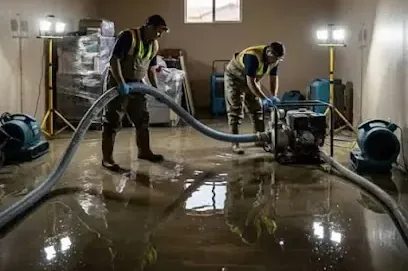
Category 1 water
Clean water from a supply pipe
A split pipe, a water heater or a washer hose starts as Category 1. Caught early, carpet and drywall can often dry in place.
See water extractionWater in a basement or behind a ceiling keeps moving after the source stops. The extraction crew pulls it out, maps every wet wall and floor, and dries the structure to the IICRC S500 standard.
(888) 432-4933Call when the basement floor is wet 24/7Water dispatch
Water rising in the basement or dripping through a ceiling right now? Every hour it sits, it soaks deeper.
(888) 432-4933Water hides under carpet pad, inside wall cavities and in concrete. Restoration pros find it with meters and thermal imaging, then dry it until the numbers agree.
The response team runs 24/7, and a flooded basement on a January night is treated as urgent, holidays included.
Drying follows the industry standard: moisture mapping first, then equipment sized to the class of loss and checked every day.
Timestamped photos before demolition, a moisture map and daily psychrometric logs build the file an adjuster reads.
Thaw seepage, sump pits, frozen pipes and ice dams lead the local list, so the walkthrough starts below grade.
Stop the source. Close the main shutoff, usually where the water service pipe enters the basement wall, or the valve on the failed fixture.
Kill power to wet areas. Switch off breakers for any basement outlets or appliances standing in water, and stay out of deep water.
Photograph before moving anything. Wide shots and close-ups of the high-water mark on walls, floors and contents go straight into the claim file.
Lift what can move. Raise furniture on blocks or foil, carry boxes upstairs and pull area rugs off wet carpet or concrete.
Call before it wicks. Drywall pulls water upward within hours, and growth can begin in 24 to 48 hours on wet materials.
A split pipe, a water heater or a washer hose starts as Category 1. Caught early, carpet and drywall can often dry in place.
See water extraction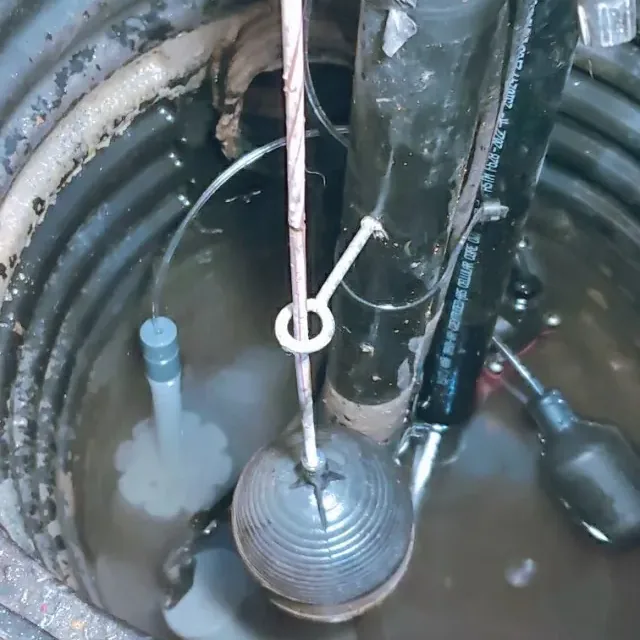
Sump overflow, dishwasher and washer drain water is Category 2. Pad usually comes out and surfaces get an antimicrobial.
See sump pump cleanup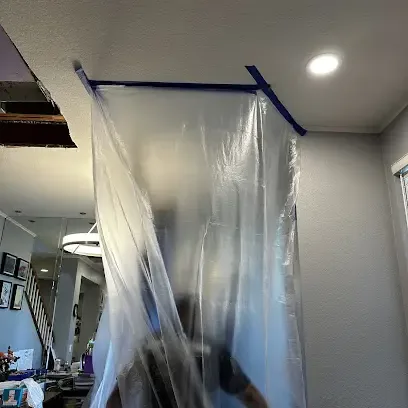
Sewage and river floodwater are Category 3 from the start. Porous materials it touched are removed, not dried.
See sewage backup cleanupWater and sewage only, from the first pump-out of a flooded basement to the last dry reading on the framing, across every neighborhood and both ZIP codes.
Water Extraction and RemovalTruck-mounted and portable units pull standing water off floors and out of pad before it wicks up the drywall.View service
 Basement Water DamageFinished lower levels opened at the wall bottoms, carpet pulled off the concrete and every cavity dried to a reading.View service
Sump Pump Failure CleanupA dead pump, a stuck float or a storm power cut turns the pit into a flood; the crew pumps down and dries out.View service
Basement Water DamageFinished lower levels opened at the wall bottoms, carpet pulled off the concrete and every cavity dried to a reading.View service
Sump Pump Failure CleanupA dead pump, a stuck float or a storm power cut turns the pit into a flood; the crew pumps down and dries out.View service
 Frozen Pipe Burst CleanupLines that froze in an outside wall or garage split at thaw; walls get opened, extracted and dried.View service
 Ice Dam and Roof Leak Water DamageMeltwater trapped behind ice at the eaves runs into the attic, the ceiling and the wall cavities below.View service
 Ceiling Leak Water DamageBath, toilet and supply leaks upstairs traced through the ceiling, sagging drywall opened safely and joists dried.View service
 River and Flash Flood CleanupRiver rise and heavy-rain runoff handled as Category 3, with mud, pad and wet drywall removed before drying.View service
Sewage Backup CleanupFloor drain and toilet backups treated as Category 3 from the start, with protective gear and an antimicrobial.View service
River and Flash Flood CleanupRiver rise and heavy-rain runoff handled as Category 3, with mud, pad and wet drywall removed before drying.View service
Sewage Backup CleanupFloor drain and toilet backups treated as Category 3 from the start, with protective gear and an antimicrobial.View service
 Water Heater Leak CleanupTank failures in the basement or garage caught before the water spreads under finished walls and stored boxes.View service
 Appliance and Supply Hose LeaksWasher hoses, dishwashers and fridge supply tubes that soak cabinets, subfloor and the ceiling of the level below.View service
 Structural Drying and DehumidificationAir movers and LGR dehumidifiers run until framing, subfloor and concrete read dry against a reference.View service
 Commercial Water DamageStorefronts, restaurants and offices dried in phases so the doors on Main Street stay open.View service
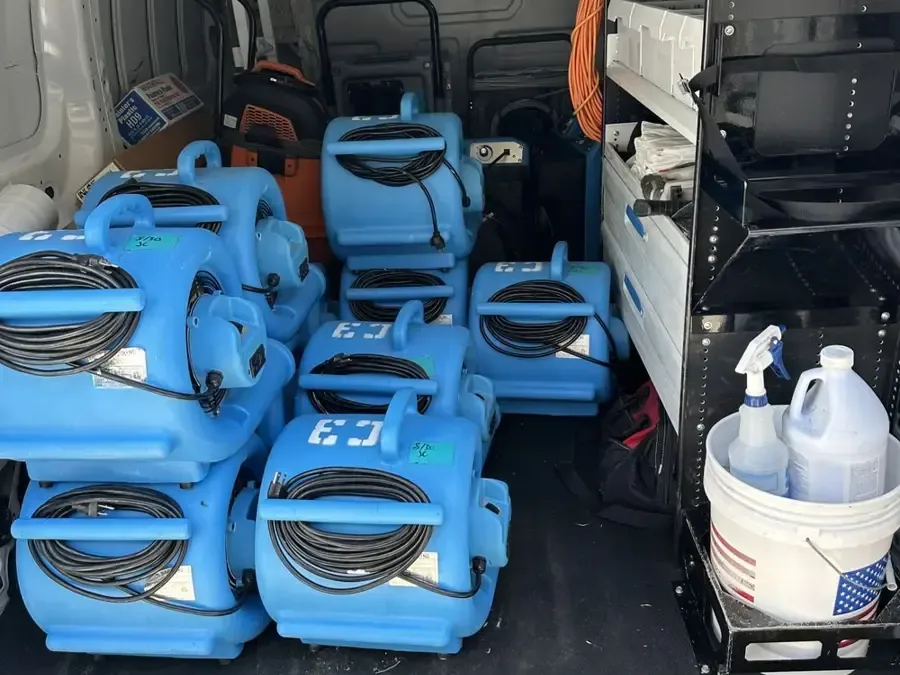
Structural drying is a process with numbers, not a guess. Equipment goes in after the moisture map and stays until the wet materials read within 2 to 4 points of a dry reference.
Thermal imaging and pin and pinless meters find every wet wall, floor and ceiling, including water hidden behind finishes.
Truck-mounted extraction pulls standing water and wrings out carpet and pad, which removes far more than air drying could.
Air movers sweep wet surfaces while LGR dehumidifiers pull the moisture out of the air, sized to the class of loss.
Daily readings are logged until every material matches the dry reference, and the logs go into the claim file.
Most water damage restoration here runs $600 to $2,500 for a small clean-water leak, $4,000 to $9,000 for a finished basement, and $8,000 to $20,000 or more when river water or sewage soaks finished rooms.
The water category, the square footage, the material class and how fast drying started move the number most. Ranges are typical, not a quote; try the cost calculator for a closer range.
An adjuster decides a water claim on the paperwork. The restoration team builds the record as the job runs, so the file shows what was wet, why and for how long.
Most homeowners policies treat sudden and accidental water, such as a split pipe or a failed water heater, differently from surface or river flooding, which usually needs separate flood coverage.
Sump and sewer backup is often a separate endorsement with its own limit. Check your own policy and call your insurer early; the file supports the claim, while coverage stays the insurer's decision.
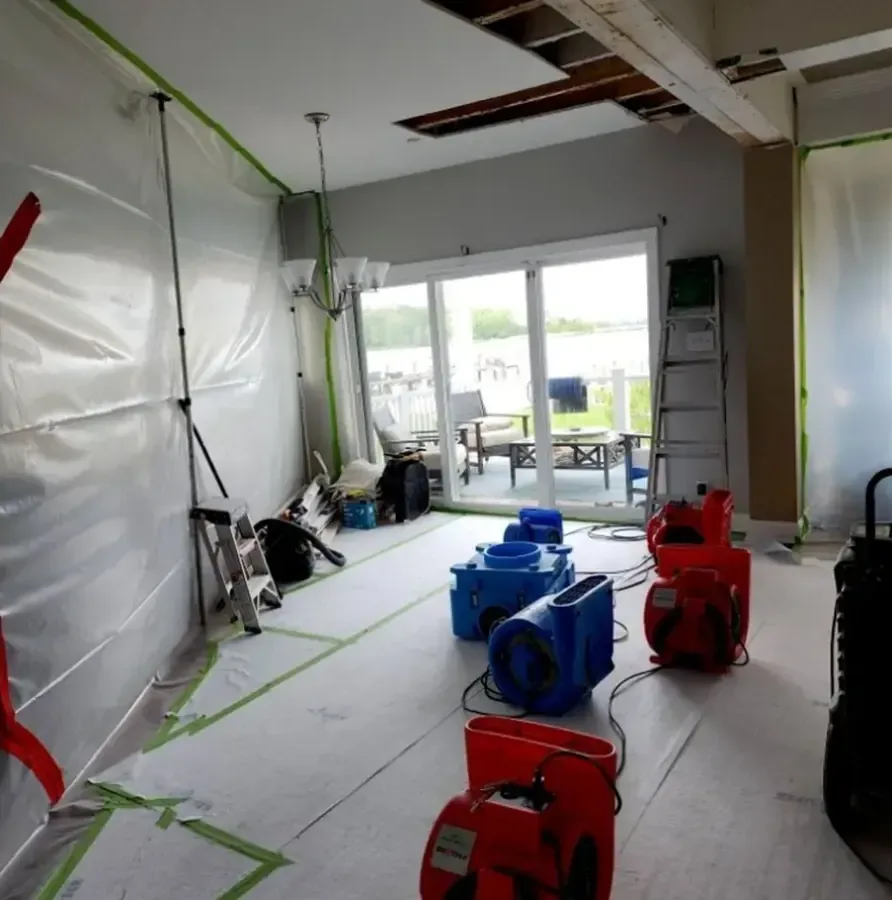
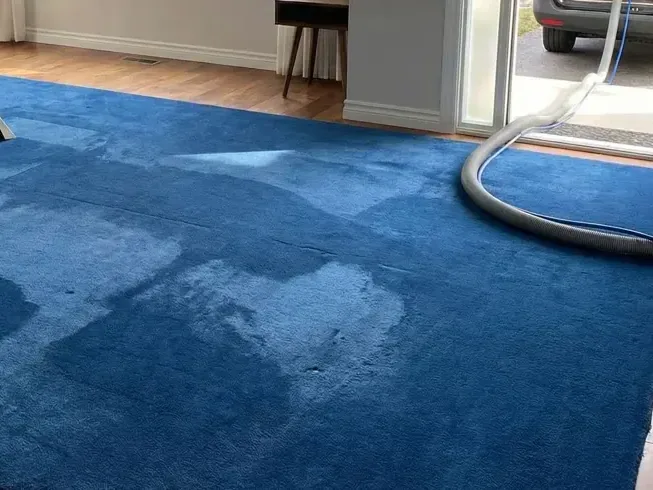
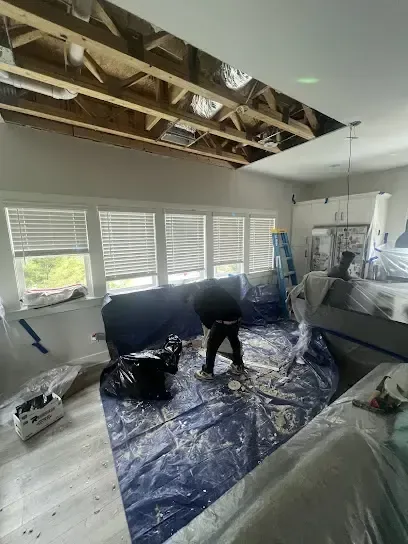
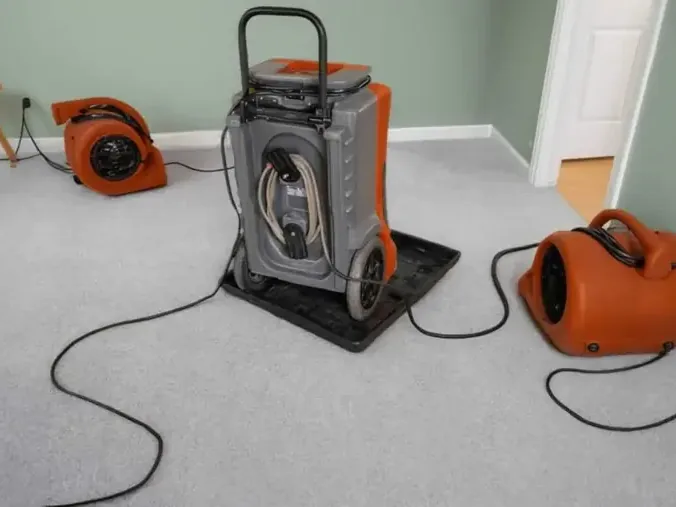
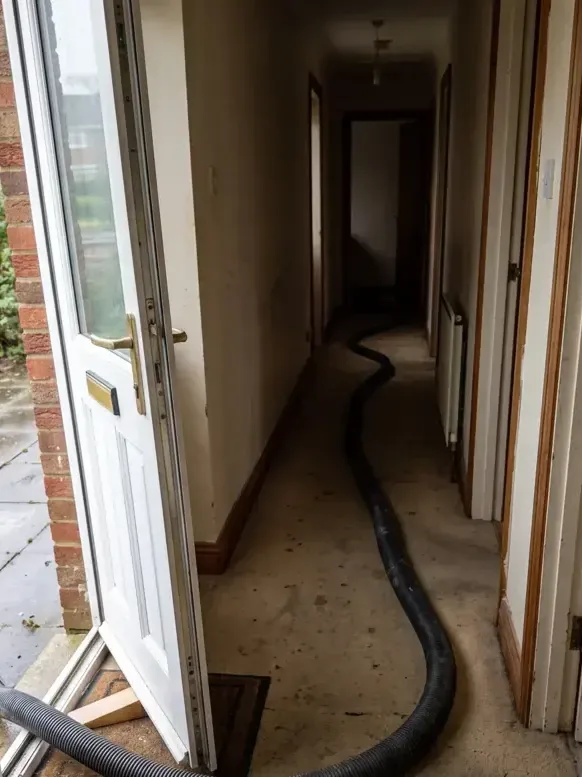
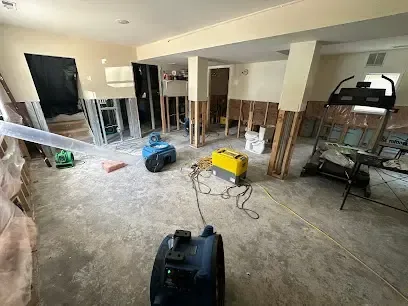
The drying team works both ZIP codes, from the older homes near downtown to the newer streets out on the west side.
A wet basement on the riverfront, an ice dam on a west-side street or a sump overflow near Manning Avenue gets the same moisture map and the same standard.
Stillwater, MN · [email protected]
On the west bank of the St. Croix River, water arrives from the river, the snowpack and the pipes. In spring 2023, forecasters gave the river better than an 80 percent chance of major flood stage.
Snowmelt and spring rain lift the St. Croix along the downtown riverfront, and saturated ground pushes water through basement walls and floor cracks across town.
The city was founded in 1843, one of the oldest towns in Minnesota. Older homes near downtown can sit on stone or block that seeps where mortar has worn.
Newer streets on land annexed from 1996 to 2015, out to Manning Avenue, often lean on sump pumps, so a stuck float or a power cut floods a finished basement.
About 42 inches of snow in an average year comes with long below-zero stretches that split supply pipes in exterior walls, garages and rim joist bays.
Snow melting over a warm attic refreezes at the cold roof edge, and the dam forces meltwater under the shingles into ceilings and wall cavities.
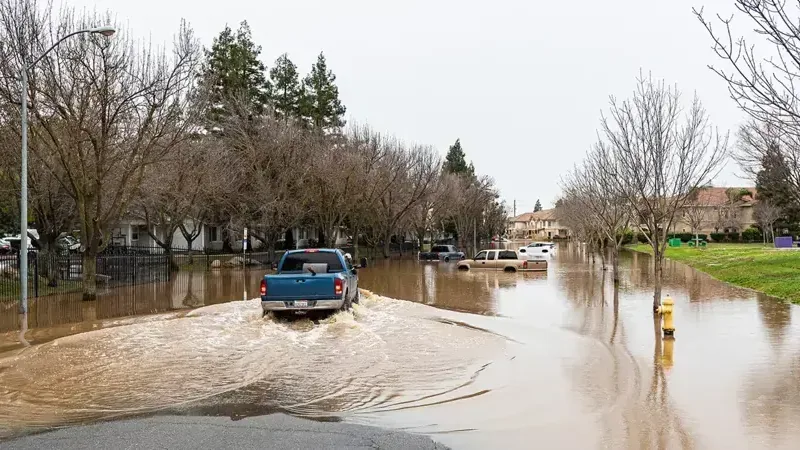
June 12, 2024 A water main break flooded downtown streets and businesses, including a basement restaurant, while the St. Croix ran high over its banks after recent rain.
Skip the reading for now. Shut off the main if it is safe and call; the response team dispatches 24/7 across the valley.
(888) 432-4933 (888) 432-4933Ask about the sump pitDispatch runs 24/7, and active water is treated as urgent at any hour, including weekends and holidays. Arrival depends on the weather, the roads and the jobs already running, so call as soon as water shows up.
Sudden and accidental water, like a split pipe or a failed water heater, is often covered. River and surface flooding usually needs separate flood coverage, and sump or sewer backup is often a separate endorsement. Check your own policy.
Spring thaw seeping through foundations, sump pumps that fail during storms, pipes that freeze and split in exterior walls, ice dams at the eaves, and washer or water heater failures in the basement.
A contained Class 1 or 2 loss usually dries in three to five days. Concrete, plaster and soaked framing take longer. Equipment stays until readings match a dry reference, not until the room looks dry.
It is the industry standard for professional water damage restoration. It covers inspection, the water category and class of loss, extraction, drying targets, daily monitoring and safety, so the drying is measured instead of guessed.
Shut off the water at the main, cut power to wet basement circuits, photograph everything before moving it, lift furniture and boxes off the floor, and stay out of water that may contain sewage.
Drywall soaked by clean water can often dry in place when drying starts early. It comes out when it has swelled or crumbled, when the water was Category 3, or when readings show the cavity behind it will not dry.
Sewage is Category 3 water carrying bacteria and viruses. Crews wear protective gear, remove porous materials it touched, clean and apply an EPA-registered antimicrobial, and only then start drying.
The water category, the square footage that got wet, the material class and how soon drying started set the scope. The line-item scope then prices extraction, removal, equipment days and monitoring.
Yes. Saturated ground during the spring thaw or a heavy summer storm raises the water table, overwhelms sump pits and pushes water through foundation cracks in neighborhoods well away from the river.
The response team dispatches 24/7 across the valley, maps the moisture and dries to the S500 standard.
(888) 432-4933Stop the water spreading now